Nope
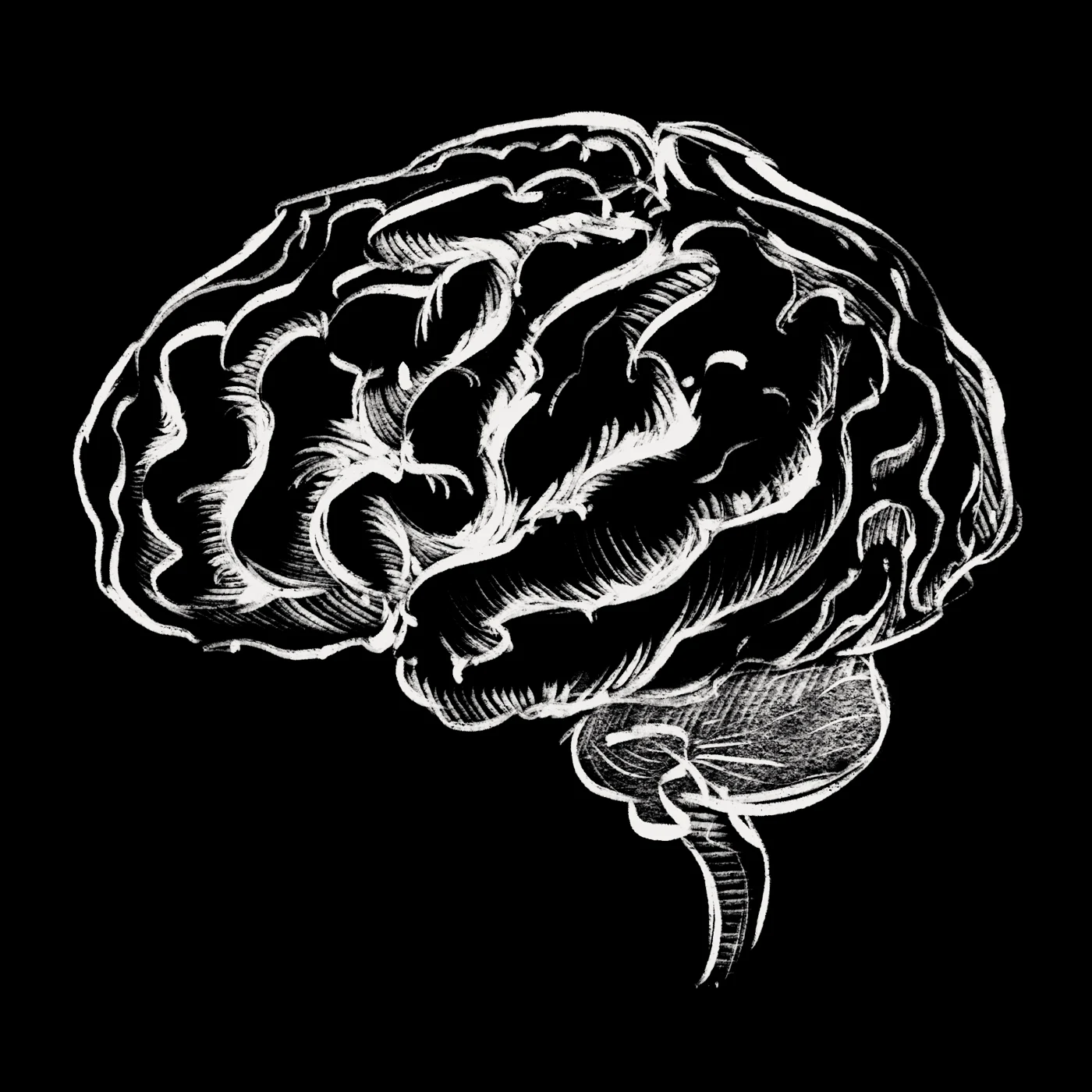
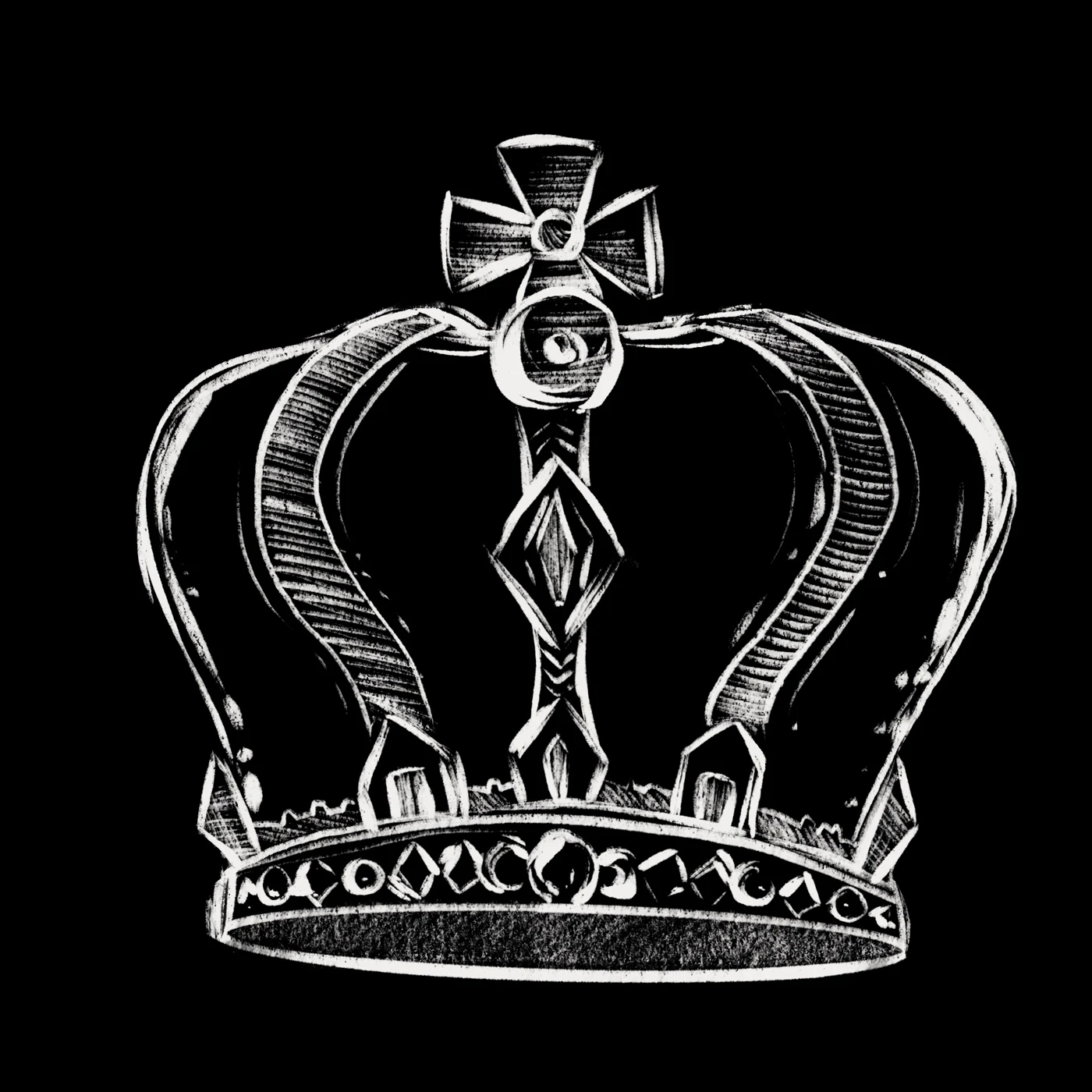
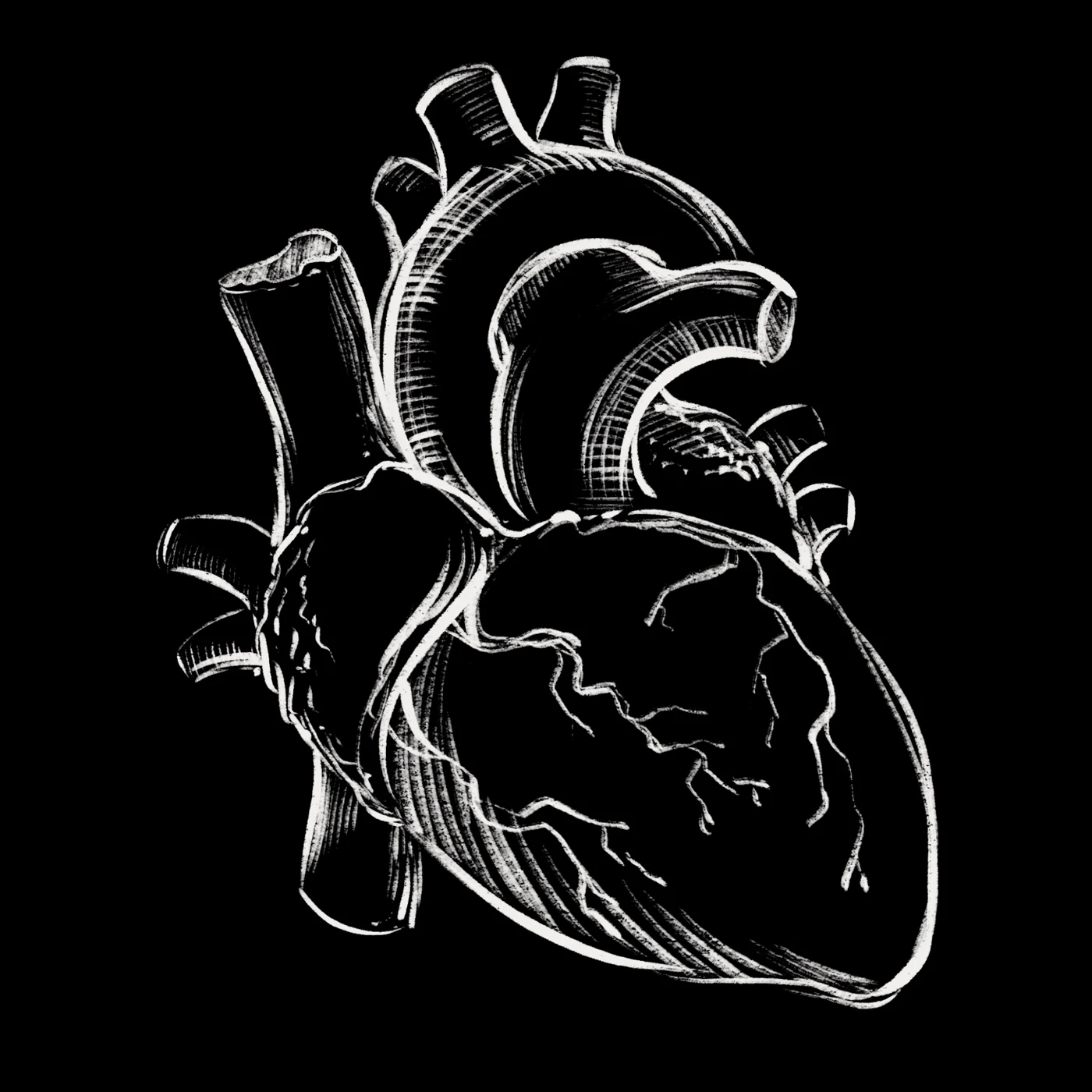
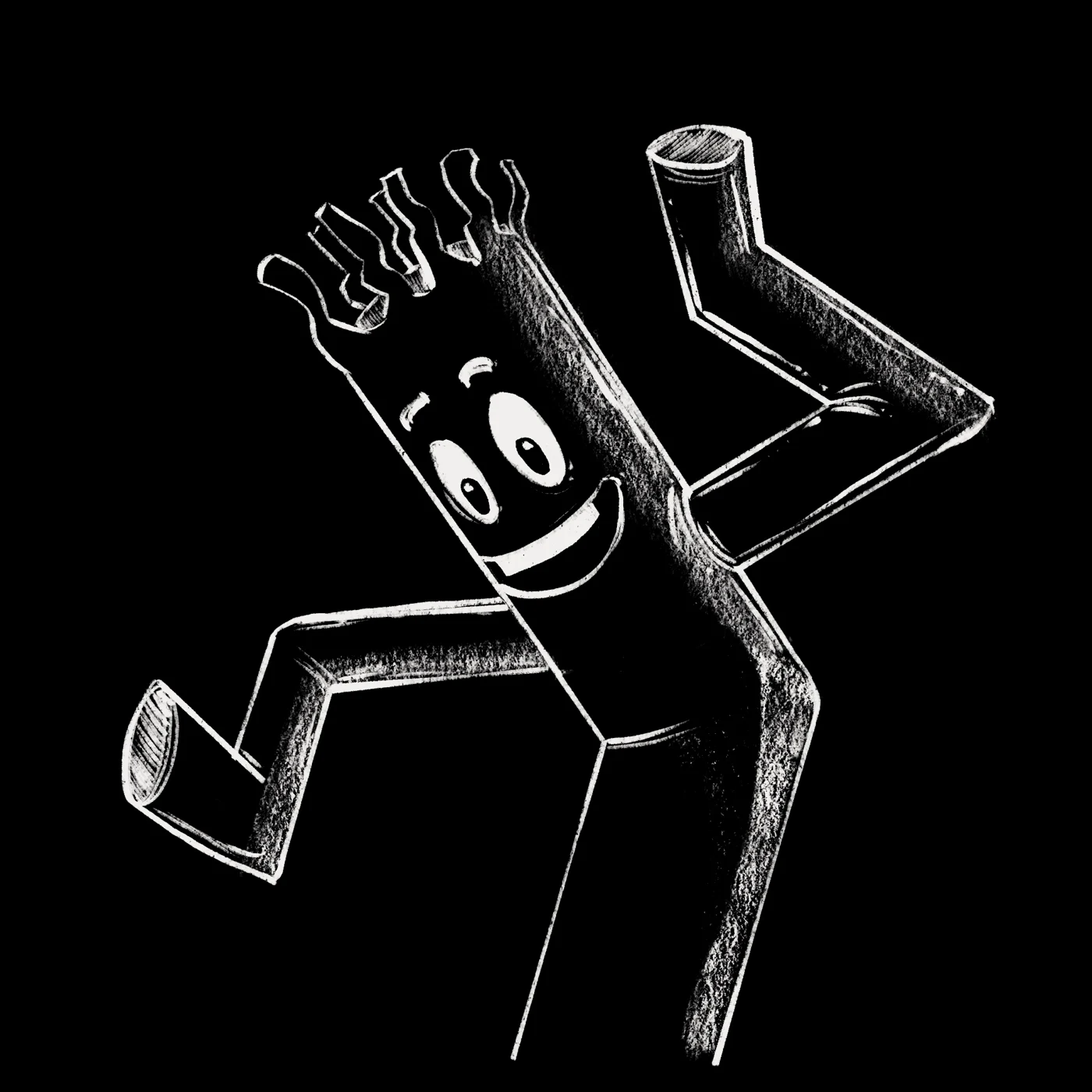
The Nope sound map
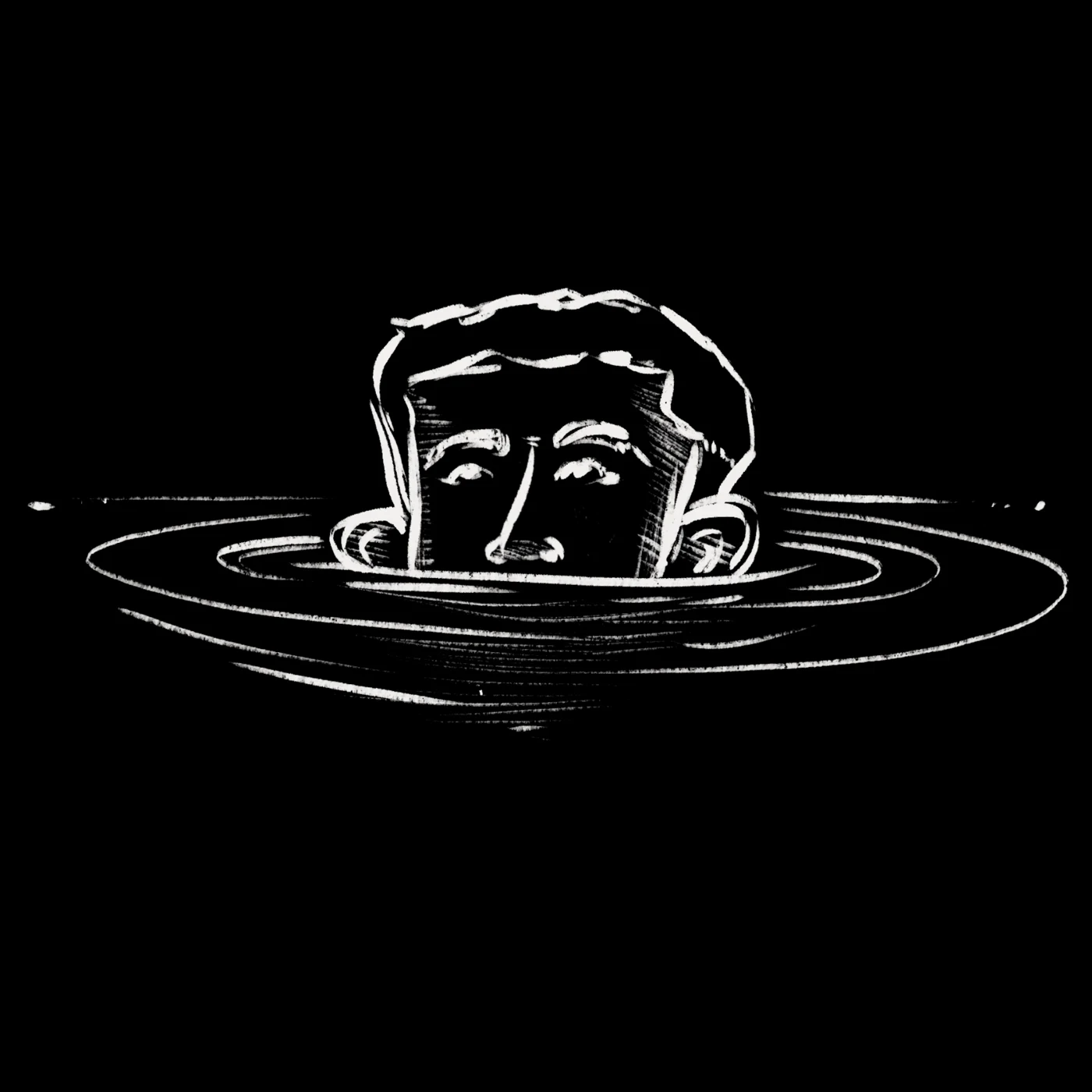
An early map I gave to Jordan Peele, before production. From the pre-production foothills to Mount Editorial and the final mix: a drawing of how we might make the sound together.
Sound for film
Johnnie Burn is an Academy Award-winning film sound designer. He has been lucky to work on films including The Zone of Interest, Poor Things, Hamnet, Nope, Under the Skin, The Lobster, and more recently, Ink, Tuner, and Digger.
Johnnie Burn
Email MASTERMINDMasterpieces podcast
Johnnie Burn is an Oscar-winning film sound designer, supervising sound editor and re-recording mixer. He works with directors, ideally from script to final mix, developing sound as part of how a film tells its story. Johnnie has a dedicated workspace in London, Los Angeles and New York.
His influences include Hitchcock, Bergman and Walter Murch, particularly their use of sound to carry something the image cannot: a character’s perception, an unseen world, or a feeling that arrives before its explanation.
His film work includes longstanding collaborations with Jonathan Glazer and Yorgos Lanthimos. Recent projects include Daniel Roher’s Tuner, Danny Boyle’s INK and Alejandro G. Iñárritu’s Digger. For The Zone of Interest, he and production sound mixer Tarn Willers received the Academy Award and BAFTA for Best Sound. Other recognition includes the Cannes Vulcan Award, the Georges Delerue Music and Sound Award and European Sound Designer of the Year.
His work combines field recording, sound editorial and mixing. Most of his core team have worked with him for over a decade. The approach changes with each film, but the starting question remains simple: what can sound tell us?
Johnnie began with an apprenticeship in sound and spent his first decade in advertising, co-founding Wave Studios in 1999. His first film project was WIZ’s cult short Weekender. He also gives talks and masterclasses and is an ambassador for the Film and TV Charity.
Listen to a recent interview with Mastermind magazine’s Masterpieces podcast.
Drawings, notes and photographs from making sound for films. A few things kept along the way.
Nope
An early map I gave to Jordan Peele, before production. From the pre-production foothills to Mount Editorial and the final mix: a drawing of how we might make the sound together.

Under the Skin
Some early sound ideas I shared with Jonathan and Paul as the picture edit began. Notes and drawings about real sounds, synthetic sounds, and how she might hear the world.

Under the Skin · 2013
My first film printmaster. I was incredulous that nearly two years of work could be distilled into something an inch by an inch.

Under the Skin
Recording Foley in an anechoic chamber for Under the Skin. A very unusual place to listen.

The Favourite
Simon recording chimney wind for The Favourite. Chimney wind became a huge part of the sound of the film.

Waves
Recording water for Waves, where the sound of water on hands becomes music. Open the photographs to see the recording and the scene in the mixing room.

Ammonite
Out recording coastal sounds for Ammonite with my son.

Batbike
Couldn’t quite believe I got to sit on this.
These are some of the films that have inspired Johnnie over the years, and taught him a great deal about what sound can do. A few notes on what he loves hearing in each.
There are many more films worth listening to at Printmaster.
Director: Fritz Lang
One of the films that first showed how much more sound could do than simply accompany pictures. Lang uses silence sparingly, and a simple whistled melody tells us who the murderer is before we see him.
Director: Akira Kurosawa
Sound helps make the action easy to follow. Hooves, rain, mud, voices and Fumio Hayasaka’s music give each group its own rhythm, before everything collides in the final battle.
Director: Robert Bresson
So much of this world lives outside the frame. We rarely see the whole prison, so Fontaine — and we — build a picture of it by listening to keys, footsteps, doors, bells, trains and unseen guards.
Director: Alfred Hitchcock
Sound and music draw us into Scottie’s obsession. Long stretches with little dialogue leave room for Bernard Herrmann’s circling phrases, which seem to carry desire, memory and dread before Scottie can put them into words.
Director: Ingmar Bergman
Silence feels like something active here. Alma talks; Elisabet doesn’t, and her refusal changes the weight of every word, breath and pause around her.
Director: Jacques Tati
There is rarely one sound telling us what matters. Footsteps, chairs, doors, glass, intercoms, machinery and fragments of speech keep gently pulling our attention around the frame.
Director: Stanley Kubrick
Much of the film’s power comes from not hearing what we expect. Space is largely silent; breathing, voices and machinery belong to the enclosed human spaces, while the classical music brings a sense of scale.
Director: Francis Ford Coppola
A film about the work of sound itself. A fragment of a surveillance recording is filtered, edited and replayed until the same sentence seems to mean something different.
Director: David Lynch
David Lynch and Alan Splet let ambience become part of the drama. Hum, wind, vibration and breath press in around the characters, until apartment, factory, body and nightmare start to sound like parts of the same machine.
Director: George Lucas
Ben Burtt made an imaginary universe sound as though it had existed for years. Lightsabers, blasters, ships, droids and creatures were largely built from sounds gathered in the real world.
Director: Francis Ford Coppola
Helicopter blades turn into a ceiling fan, music becomes part of the war, and the jungle keeps shifting between a real place and Willard’s troubled inner world.
Director: Andrei Tarkovsky
The landscape seems to have a voice of its own. Tarkovsky and Eduard Artemyev blur environmental sound and electronic music until water, metal, resonance and score become hard to tell apart.
Director: Brian De Palma
A thriller built around recording and editing sound. A sound recordist begins to suspect that a tyre blowout may have been a gunshot, and pieces sound and picture together to find out what happened.
Director: Ridley Scott
The city is heard as much as it is seen. Rain, distant machinery, vehicles, advertising, voices in many languages and Vangelis’s electronics layer up into a place that seems to carry on far beyond the frame.
Director: Elem Klimov
Instead of watching from a safe distance, we are often placed inside damaged perception. After explosions, the world falls away into ringing, pressure and distorted hearing.
Director: Spike Lee
A Brooklyn block where everyone is competing to be heard. Voices overlap, radios clash, and Public Enemy’s Fight the Power keeps crossing between song, character and statement.
Director: Steven Spielberg
Gary Rydstrom’s creatures don’t just have sound effects — they have voices. Recordings of real animals were combined and reshaped to give them size, intention and personality.
Director: Steven Spielberg
The Normandy landing is full of physical detail — weapons, water, sand, metal and movement — but what stays with Johnnie is how it keeps collapsing into Captain Miller’s damaged hearing.
Director: Terrence Malick
Malick doesn’t let war become the only sound in the world. Whispered inner voices drift between characters, while birds, insects, water and wind carry on around the violence, seemingly indifferent to it.
Director: David Lynch
Sound makes ordinary rooms feel unsettled before the picture explains why. And Club Silencio is a beautiful idea about playback: we are told there is no band, yet the recorded performance is still overwhelming.
Directors: Joel Coen & Ethan Coen
With almost no score, small practical sounds carry a lot of weight. Footsteps, engines, room tone and the pulse of a tracking device tell us who is coming, how close they are, and whether a wall will help.
Director: Andrew Stanton
Ben Burtt shows how a machine can become a character through sound. Motors, servos, tones and tiny fragments of language shift with WALL-E’s curiosity, fear and excitement.
Director: Tom Hooper
The singing was recorded live on set rather than fixed in a studio beforehand. That let the music follow the acting: pauses could stretch, breath could be heard, and voices could crack in the moment.
Director: Alfonso Cuarón
The lack of air in space shapes the whole soundtrack. Impacts are felt through contact and vibration, through suits and structures, while radio voices and music carry what ordinary effects can’t.
Director: László Nemes
The camera stays close to Saul and keeps most of Auschwitz blurred or out of frame, so sound has to build what we aren’t shown. Commands, languages, machinery, doors and crowds create a vast, horrifying world around one narrow point of view.
Director: Edgar Wright
The music isn’t added after the action — it is the clock the action runs to. Driving, footsteps, gunfire and editing keep locking into the rhythm of Baby’s tracks.
Director: Lucrecia Martel
People aren’t automatically at the centre of the soundtrack. Animals, insects, water and strange resonances compete with speech, and natural recordings with an almost electronic quality make the eighteenth-century world feel oddly present.
Director: Alfonso Cuarón
Rather than music telling us how to feel, Roma surrounds us with life. Traffic, aircraft, street vendors, voices, animals and water come and go around Cuarón’s long takes, often well beyond the frame.
Director: Darius Marder
Many films use filtered sound briefly to suggest deafness. Sound of Metal makes changing ways of hearing part of the whole film.
Director: Apichatpong Weerasethakul
An unexplained noise becomes the subject of a whole film. Jessica tries to describe it, recreate it with a sound engineer and find where it comes from, yet the closer she gets, the deeper the mystery seems to become.


Nearly three decades of collaboration on TV commercials and music videos.